
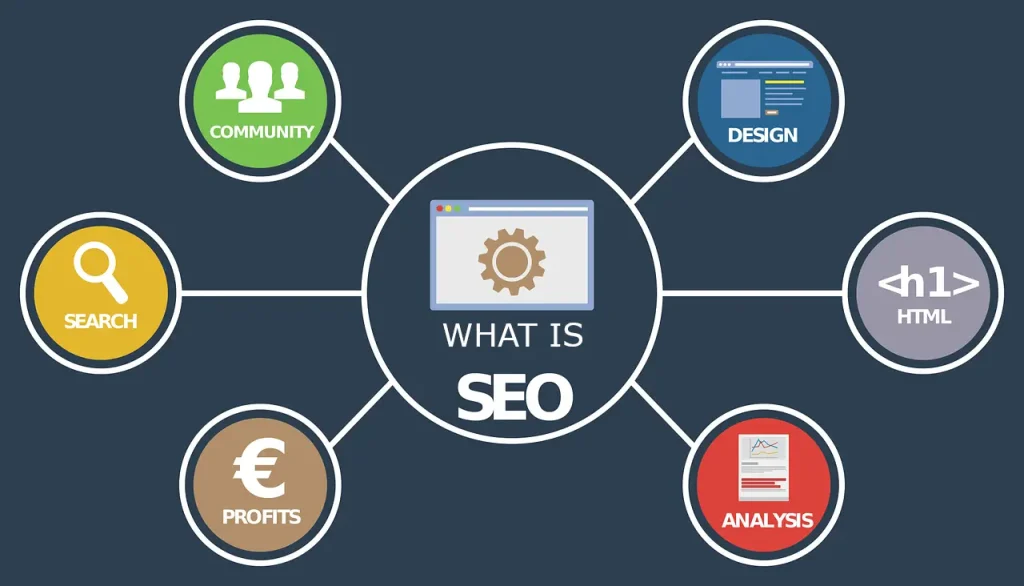
What is SEO? A Complete Beginner’s Guide to Search Engine Optimization
Introduction Have you ever wondered how some websites appear on the first page of Google while others remain hidden? The answer lies in SEO. SEO, or Search Engine Optimization, is one of the most important digital marketing strategies for improving a website’s visibility in search engine results. Whether you run a blog, business website, eCommerce store, or online service, SEO can help attract more visitors, generate leads, and increase revenue. In this guide, you’ll learn what SEO is, how it works, its benefits, and why it is essential for online success. What is SEO? SEO (Search Engine Optimization) is the process of optimizing a website to improve its ranking on search engines like Google, Bing, and Yahoo. The primary goal of SEO is to increase organic (non-paid) traffic by making your website more relevant, trustworthy, and user-friendly for both search engines and users. For example, if someone searches for “best digital marketing agency” on Google, SEO helps websites appear higher in the search results for that keyword. Why is SEO Important? Every day, billions of searches are performed on search engines. Most users click on results that appear on the first page, especially within the top five positions. SEO helps businesses: Without SEO, even the best website may struggle to attract visitors. How Does SEO Work? Search engines use automated programs called crawlers or bots to scan websites and understand their content. The SEO process involves three main steps: 1. Crawling Search engine bots discover pages across the internet and collect information about them. 2. Indexing After crawling, search engines store and organize the content in their database. 3. Ranking When a user searches for something, search engines analyze hundreds of ranking factors to determine which pages should appear first. SEO helps improve these ranking factors so your website can achieve better positions in search results. Types of SEO 1. On-Page SEO On-page SEO focuses on optimizing elements within your website. Examples include: 2. Off-Page SEO Off-page SEO involves activities outside your website that improve authority and trust. Examples include: High-quality backlinks from trusted websites can significantly improve rankings. 3. Technical SEO Technical SEO ensures search engines can properly crawl and index your website. Key elements include: 4. Local SEO Local SEO helps businesses appear in location-based searches. For example: Local SEO strategies include: Key Components of SEO Keyword Research Keywords are the words and phrases users type into search engines. Examples: Finding the right keywords helps target the right audience. Quality Content Content is one of the most important ranking factors. Good content should: Backlinks Backlinks are links from other websites pointing to your site. Search engines view quality backlinks as votes of confidence, which can improve rankings. User Experience (UX) Google prioritizes websites that offer a positive user experience. Important factors include: Benefits of SEO 1. Increases Organic Traffic SEO helps attract visitors without paying for every click. 2. Builds Trust and Credibility Websites that rank higher are often perceived as more trustworthy. 3. Provides Long-Term Results Unlike paid advertising, SEO can continue generating traffic for months or years after optimization. 4. Improves Conversion Rates SEO attracts users actively searching for your products or services, leading to higher conversion rates. 5. Delivers Better ROI Compared to many marketing channels, SEO often provides a higher return on investment over the long term. Common SEO Mistakes to Avoid Many beginners make mistakes that can hurt rankings. Avoid: Focusing on user value and best practices is the safest SEO strategy. Best SEO Practices for Beginners To improve your SEO performance: Consistency is key to long-term SEO success. Popular SEO Tools Some widely used SEO tools include: These tools help analyze performance, track keywords, and identify optimization opportunities. Conclusion SEO is the foundation of successful digital marketing. It helps websites gain visibility, attract targeted visitors, and grow organically without relying solely on paid advertising. Whether you’re a blogger, business owner, freelancer, or digital marketer, learning SEO can significantly improve your online presence and help you achieve your marketing goals.